Residential Solutions
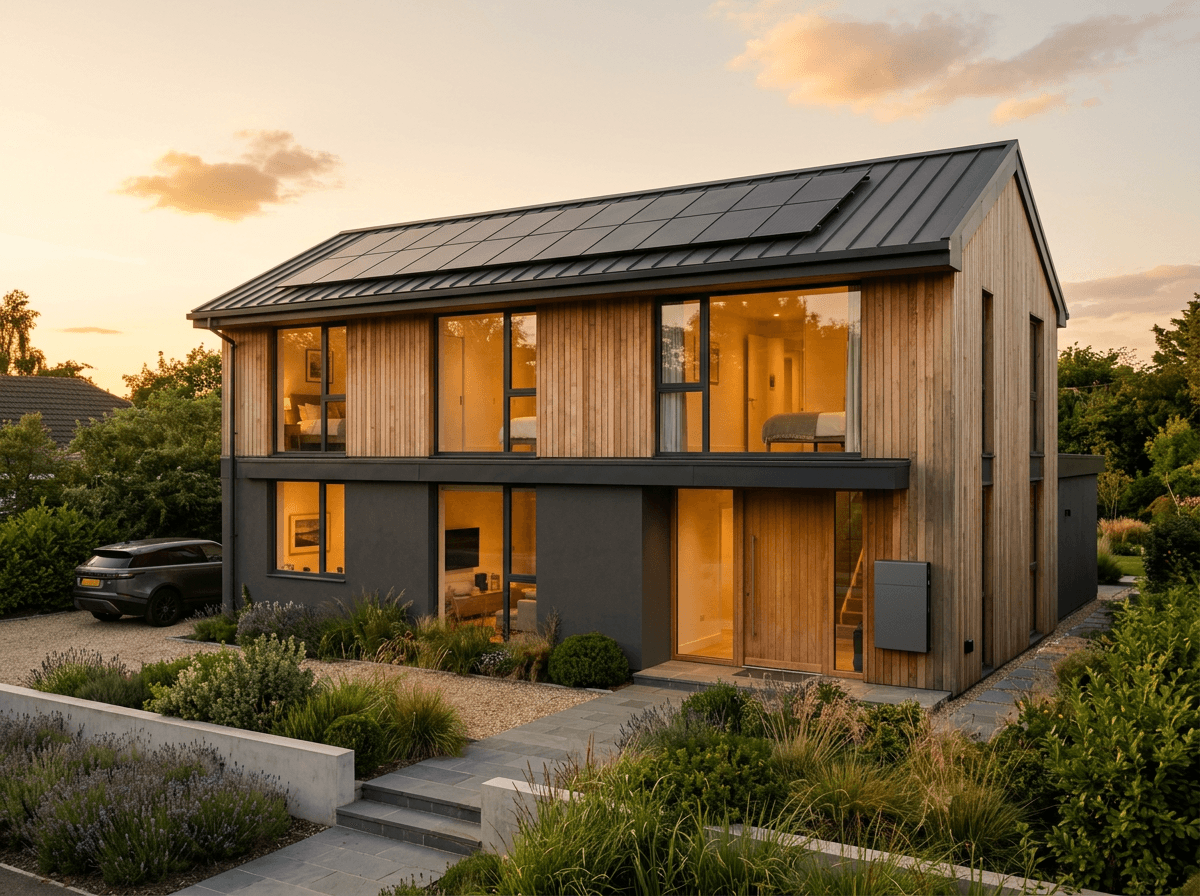
Reliable power, lower bills and peace of mind for your home, with a solar and storage system engineered around your consumption pattern.
The challenge
Power cuts, rising energy costs and full dependence on the grid threaten home comfort. Petrol generators are loud, costly and not a sustainable answer.
The SANA Energy solution
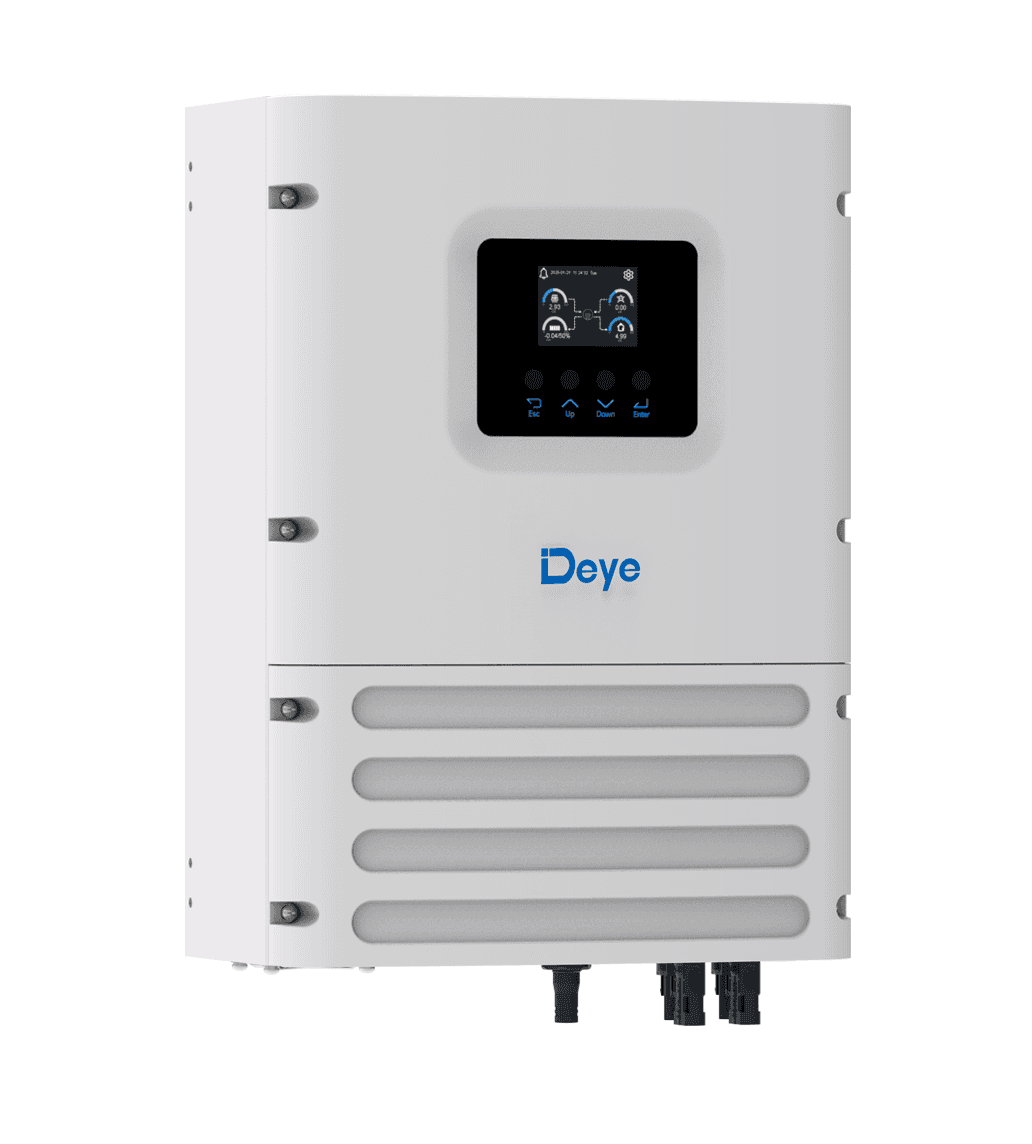
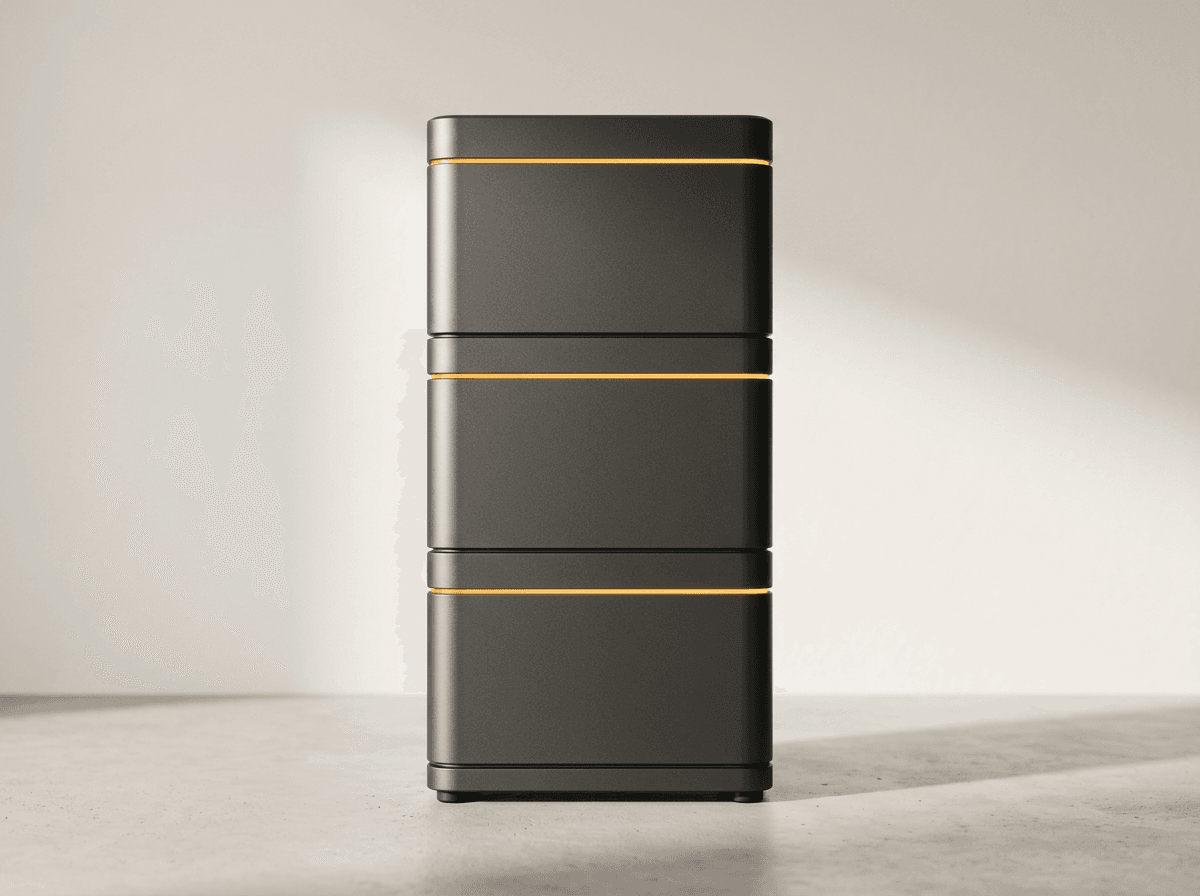
SANA Energy combines solar panels, a hybrid inverter and lithium batteries into a system that runs on sunlight by day, stores the surplus, and carries your home's critical loads through any outage without interruption.
Why this solution
A monthly return, either way
Depending on the architecture you pick, the output is either sold to the grid and earns a monthly income, or it feeds the house and the bill falls. Either way, a roof that has been doing nothing starts to count.
Outages, without the noise
In the battery-backed architectures — hybrid and off-grid — the system picks up the critical loads within a fraction of a second when the grid drops: fridge, lighting, internet, boiler. No starting, no fuel, no noise.
In place of a petrol generator
No fumes, no refuelling, no engine servicing, and none of the constraints on where it can sit. A battery can be mounted indoors.
Start small, grow later
You can begin with an inverter and one battery, then add panels or capacity later. The design allows for that from day one, so nothing bought at the start is thrown away.
Almost no maintenance
LFP batteries need no topping up and no periodic service, and last several thousand cycles. The panels ask for little beyond an occasional wash.
See it from your phone
Panel output, battery charge and household draw are visible live in an app — which is also what finally shows you which appliance is the expensive one.
System architectures
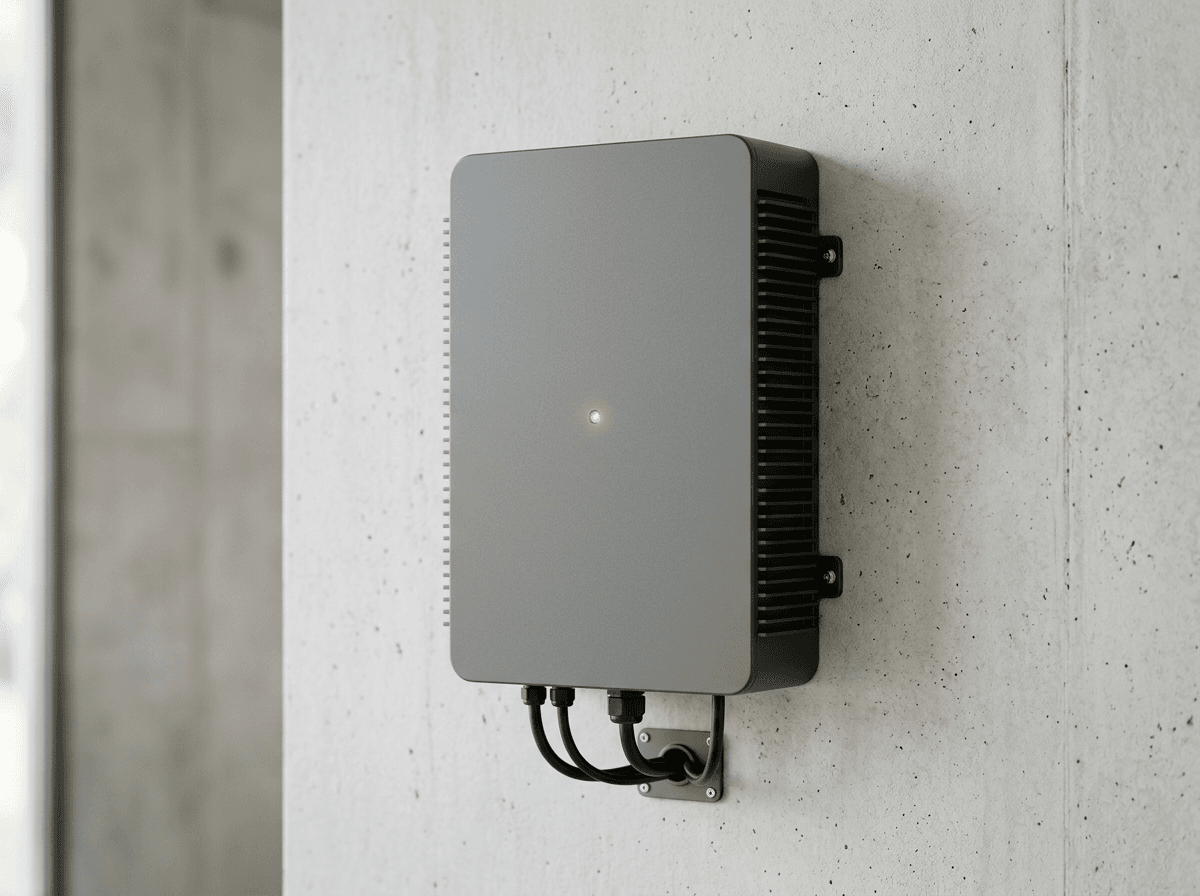
Grid-tied (on-grid) — selling to the grid
The simplest and cheapest arrangement: panels and an inverter, no battery. Everything the array produces is sold to the grid through its own meter, while the house goes on drawing its consumption from the grid as before — so the bill does not fall; you earn a monthly income from the sale instead. Nor does the system run during an outage. For an owner with spare roof or land who wants a return on the capital, not backup power.
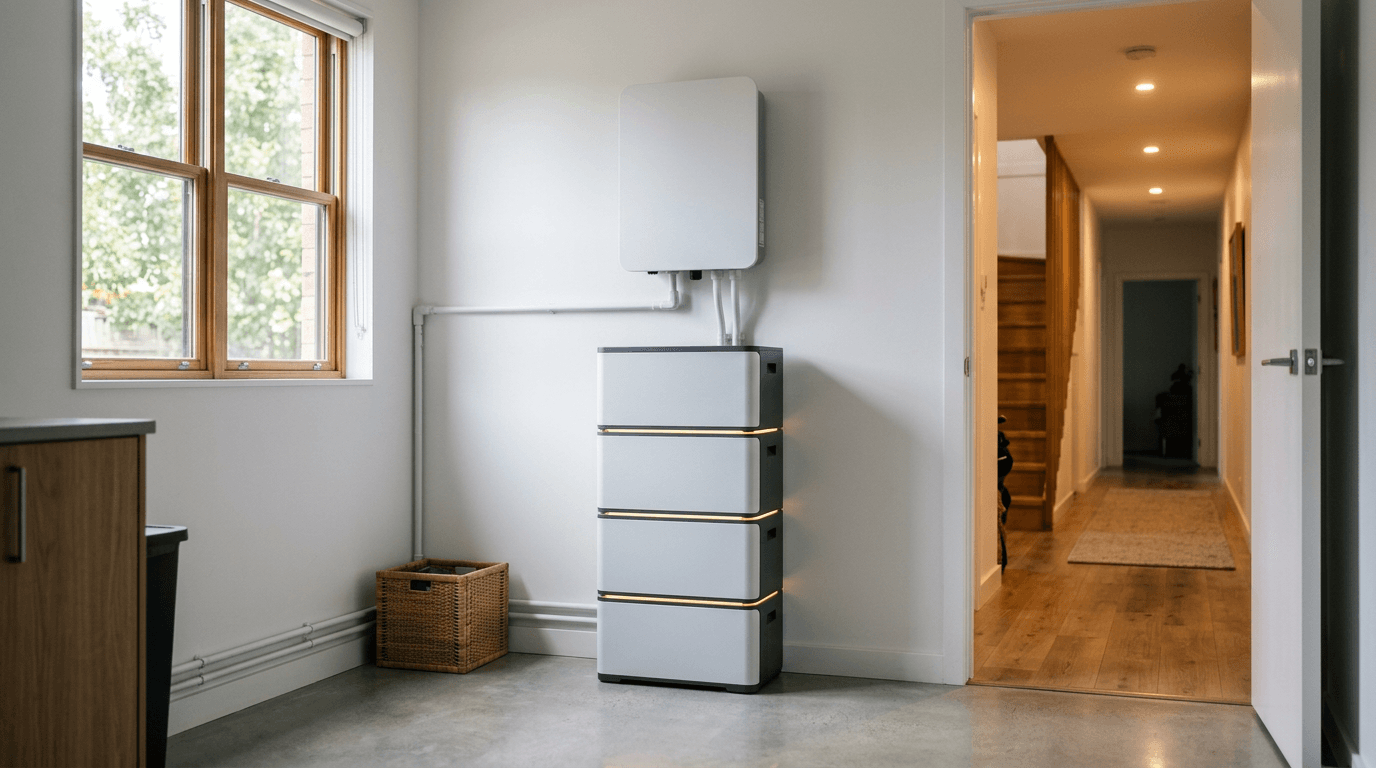
Hybrid with battery — export or self-use, your choice
Panels, a hybrid inverter and a lithium battery — the only arrangement that keeps both routes open. You can set the priority to export to the grid, or to store and consume at home, and that priority is a setting on the inverter you can change later. Through an outage, the critical loads keep running from the battery.
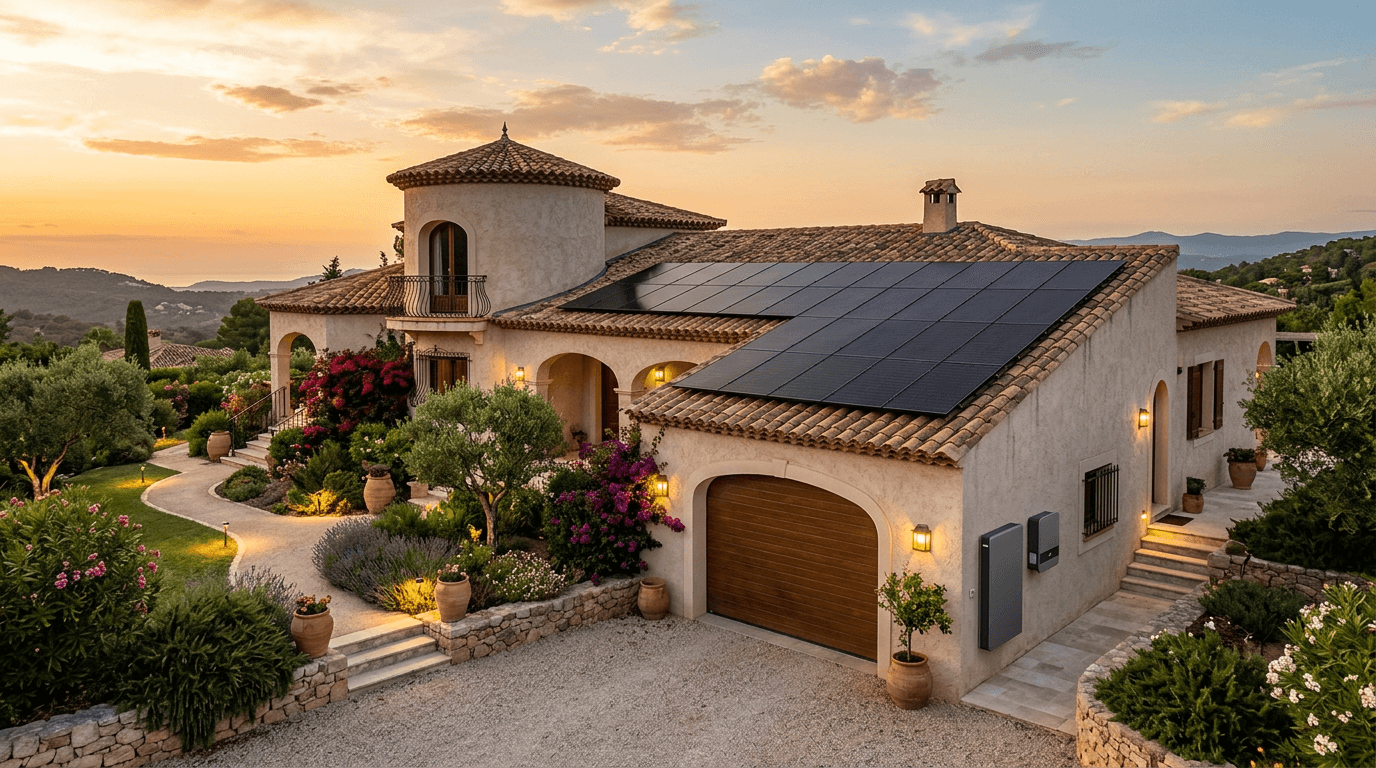
Off-grid — self-consumption only
For a villa, a garden plot, or anywhere the national grid does not reach or a connection costs too much. There is no export at all: everything produced serves the site's own consumption, and battery capacity is sized for several overcast days in a row.
Suggested configuration
- 1Solar array sized to your roof
- 2Single- or three-phase hybrid inverter
- 3Expandable LFP lithium battery
- 4Production and consumption monitoring